Amazon links in this article are affiliate links. As an Amazon associate, I earn from qualifying purchases.
Quick Summary
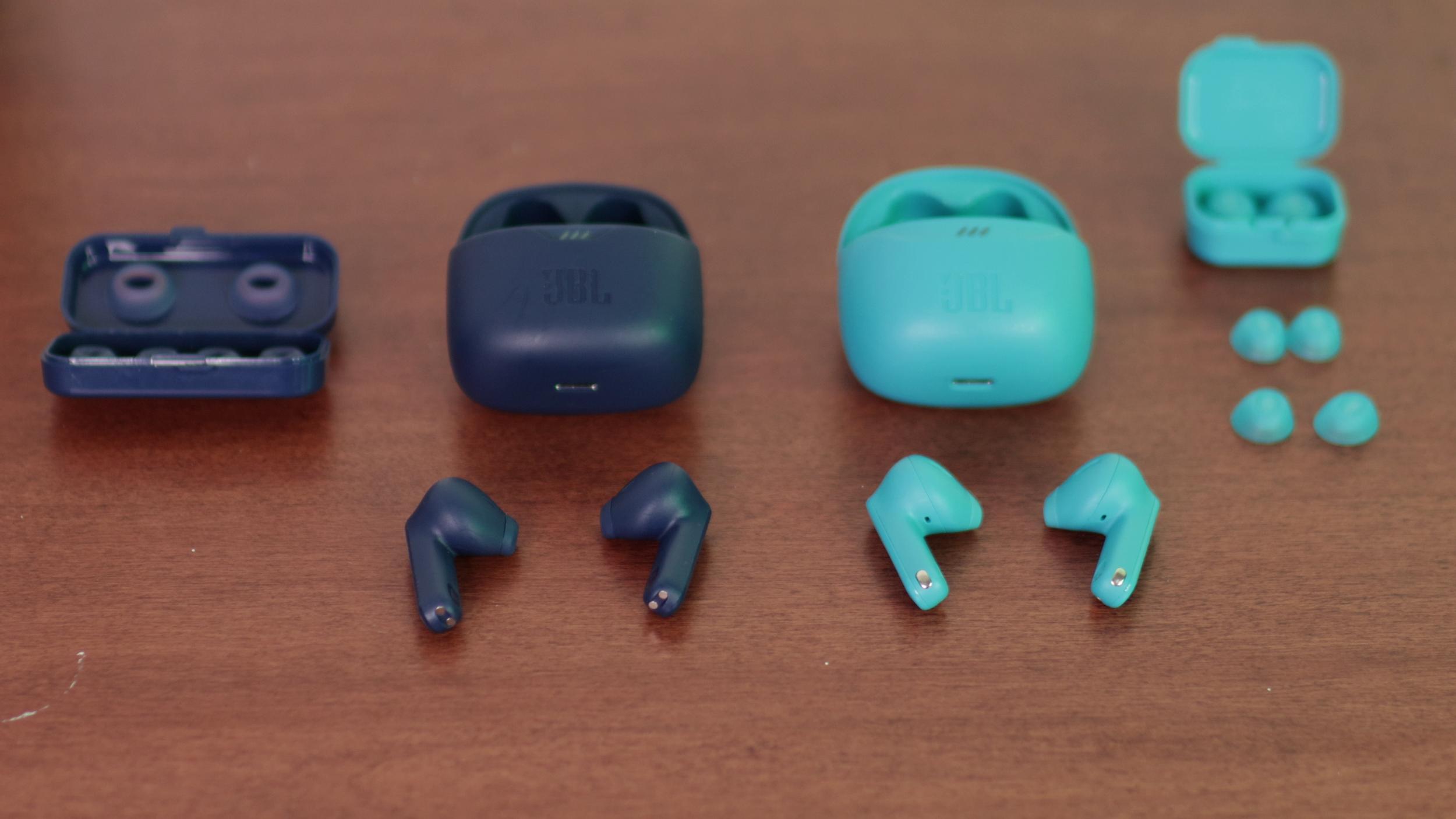
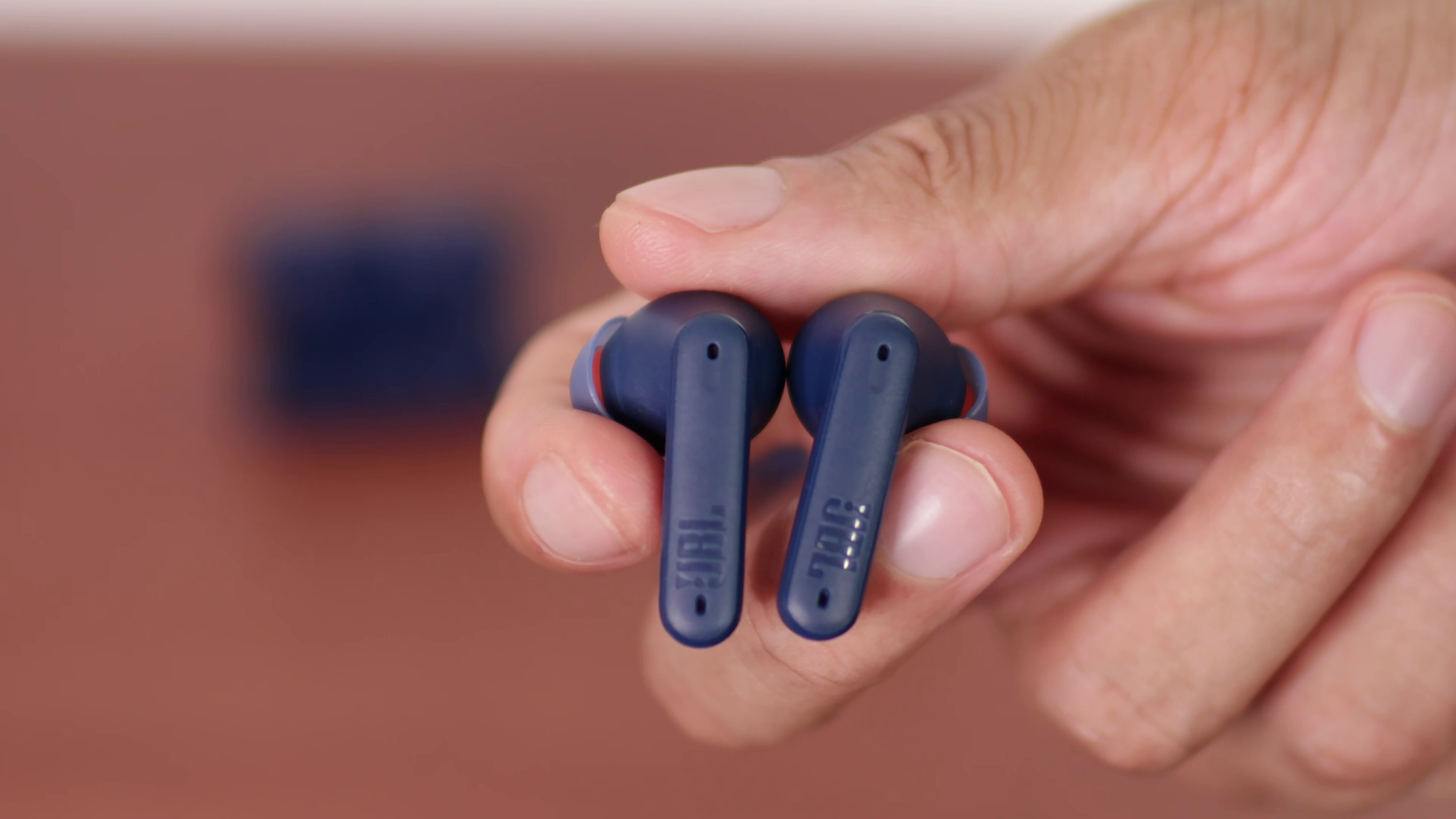
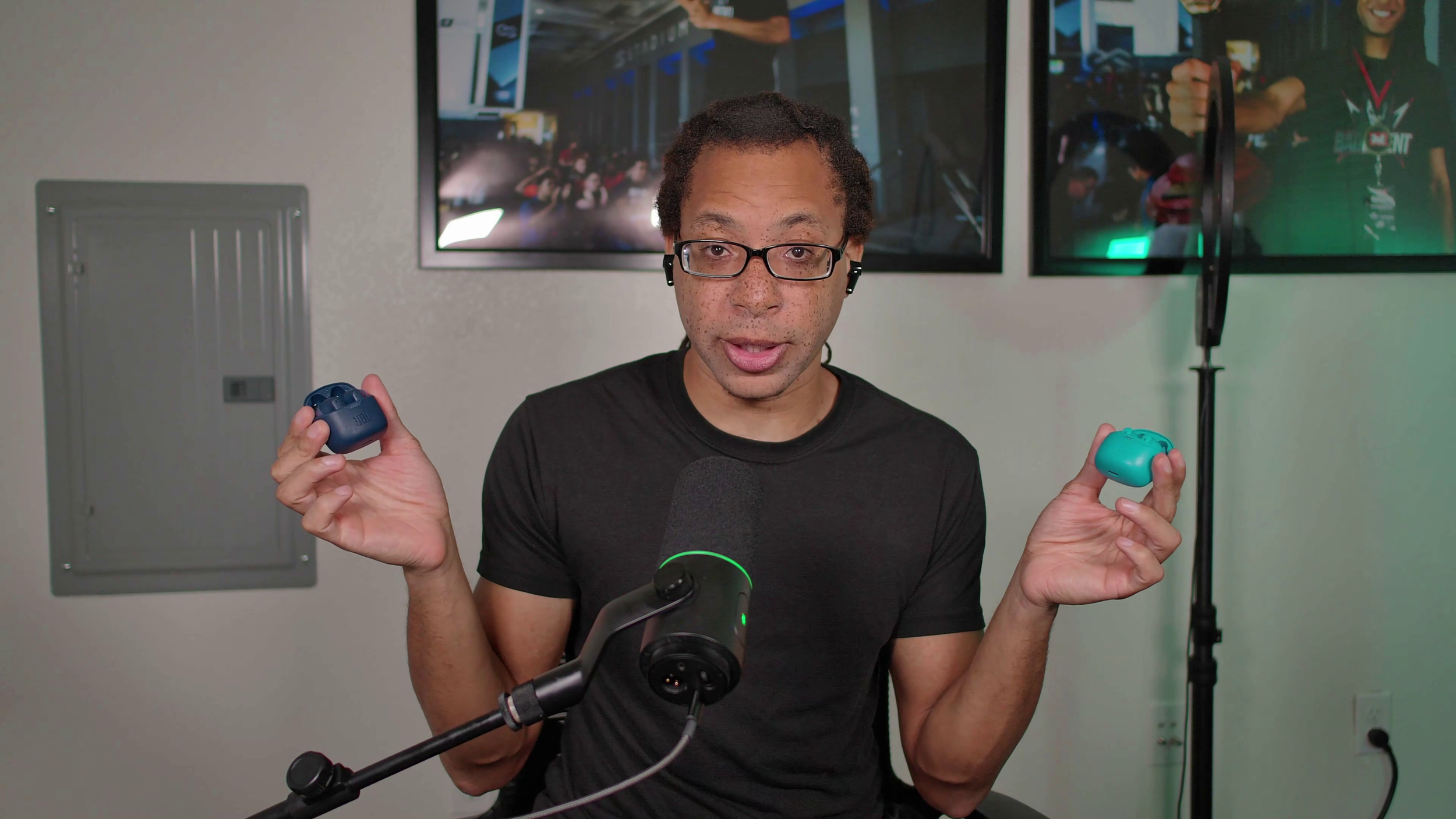
Tune Flex is on the left.
The JBL Tune Flex 2 is a direct improvement in almost every way over the original Tune Flex, though the changes are mostly minor.
Both earbuds are unique in that they give you two options: open tips or sealing tips. "Sealing", as they don't actually create suction like most earbuds out.
Here are the main improvements the Tune Flex 2 has gotten:
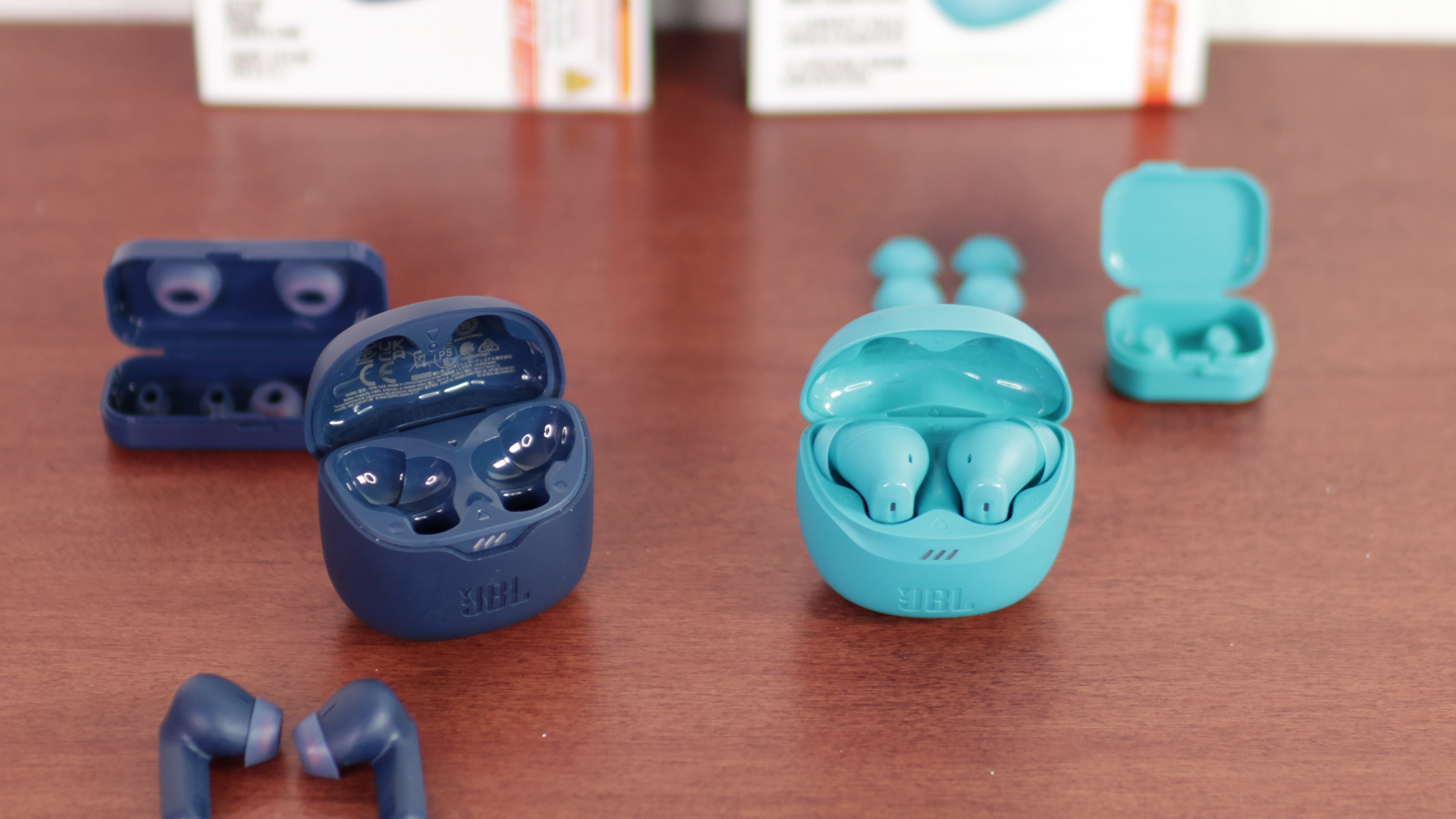
The battery life is slightly longer.
The Tune Flex 2 has far stronger bass.
It has a virtual surround sound option which is really just a reverb effect.
It gains multipoint and uses Bluetooth 5.3 over 5.2.
The ANC is slightly improved.
Battery Life
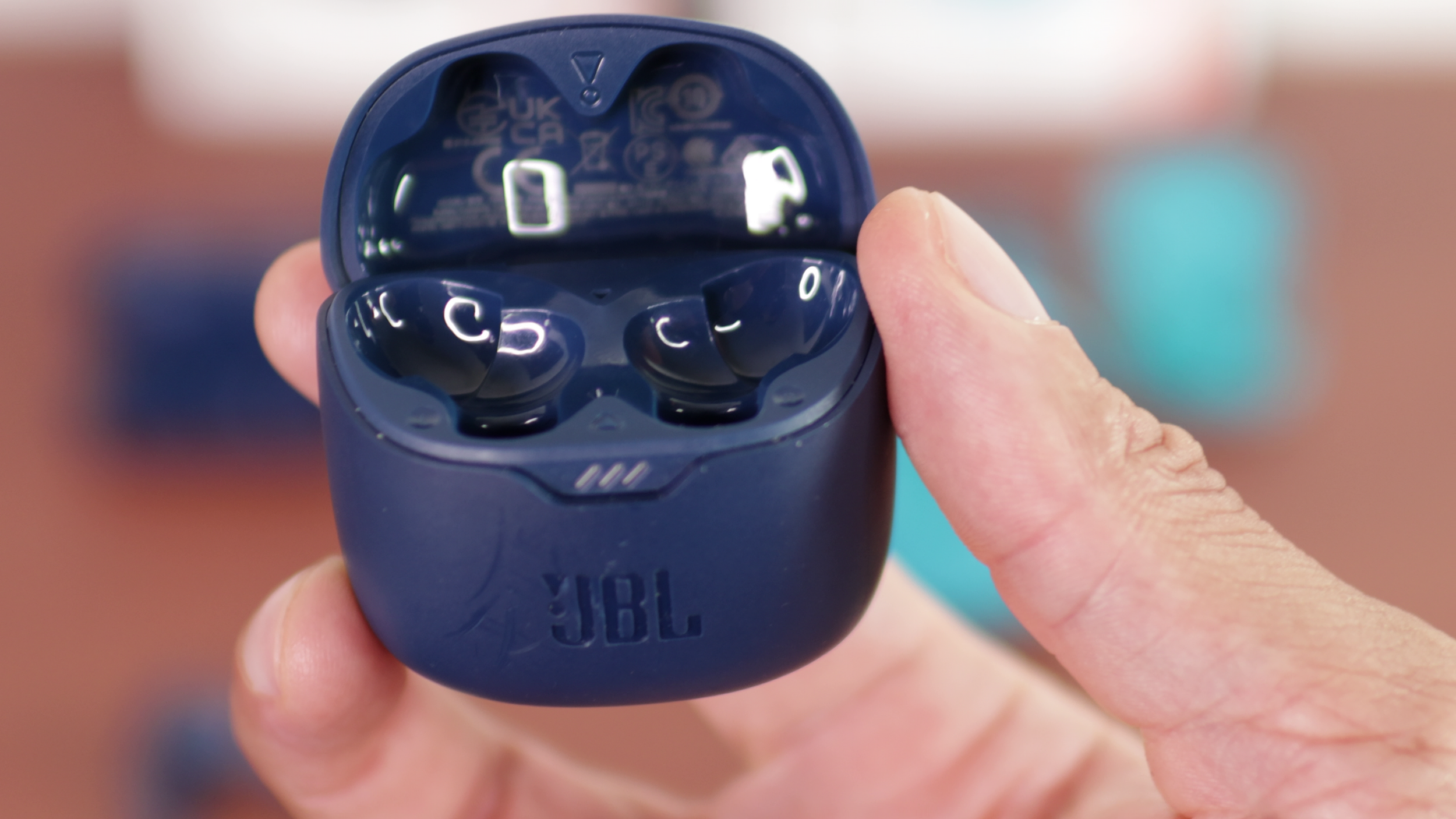
The Tune Flex buds themselves get 8 hours of battery life with ANC off and 6 hours with it on. The case gives them a total of 32 hours with ANC off and 24 with it on.
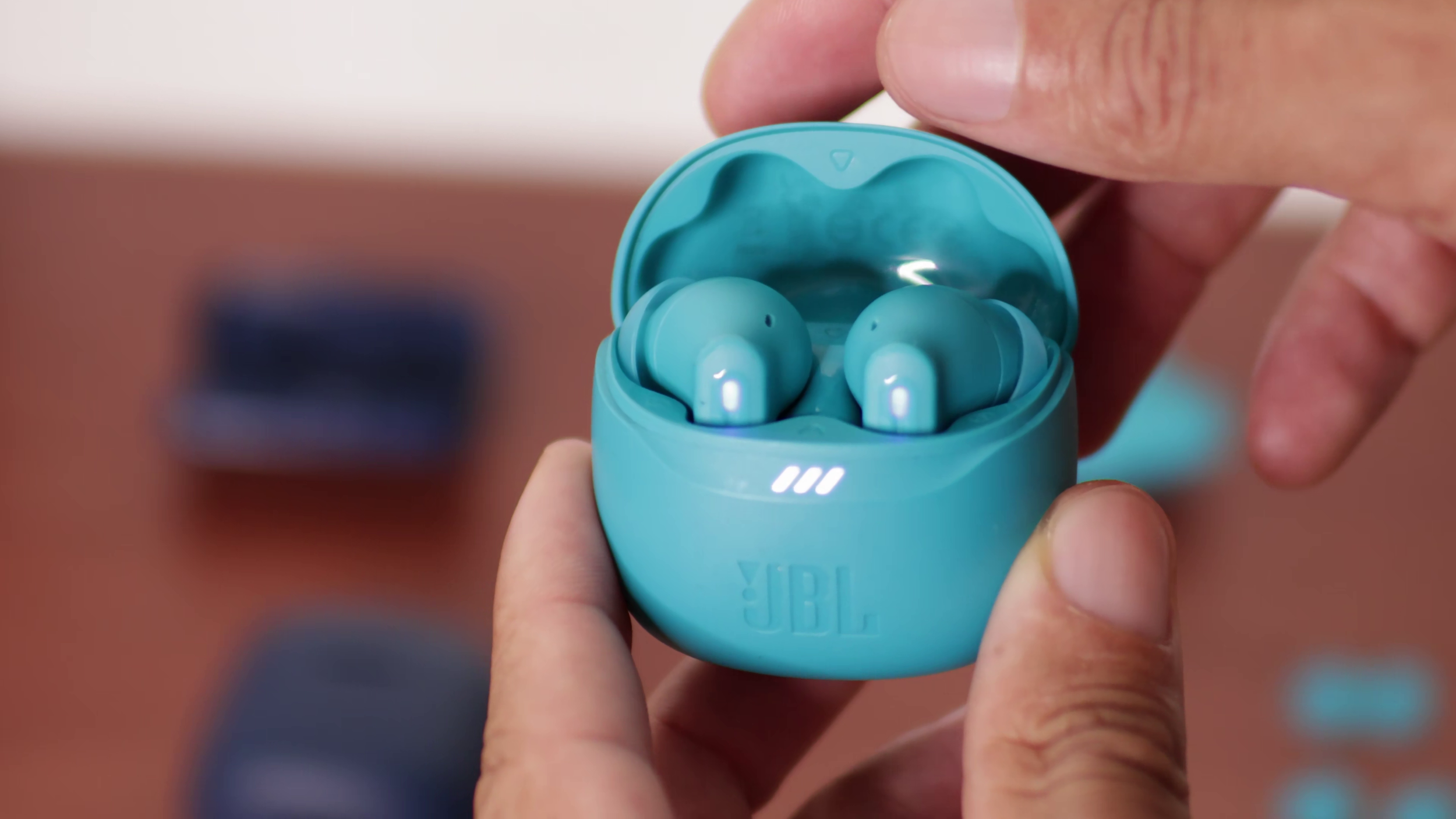
The Tune Flex 2 gets effectively 1.5x the battery life. 12 hours with ANC off, 8 hours with ANC on. And the case gives them a total of 48 hours ANC off and 32 on.
These mostly lined up with my real world use case, but the Flex 2 numbers are overly optimistic.
Headphone Audio Quality, ANC, and Comfort
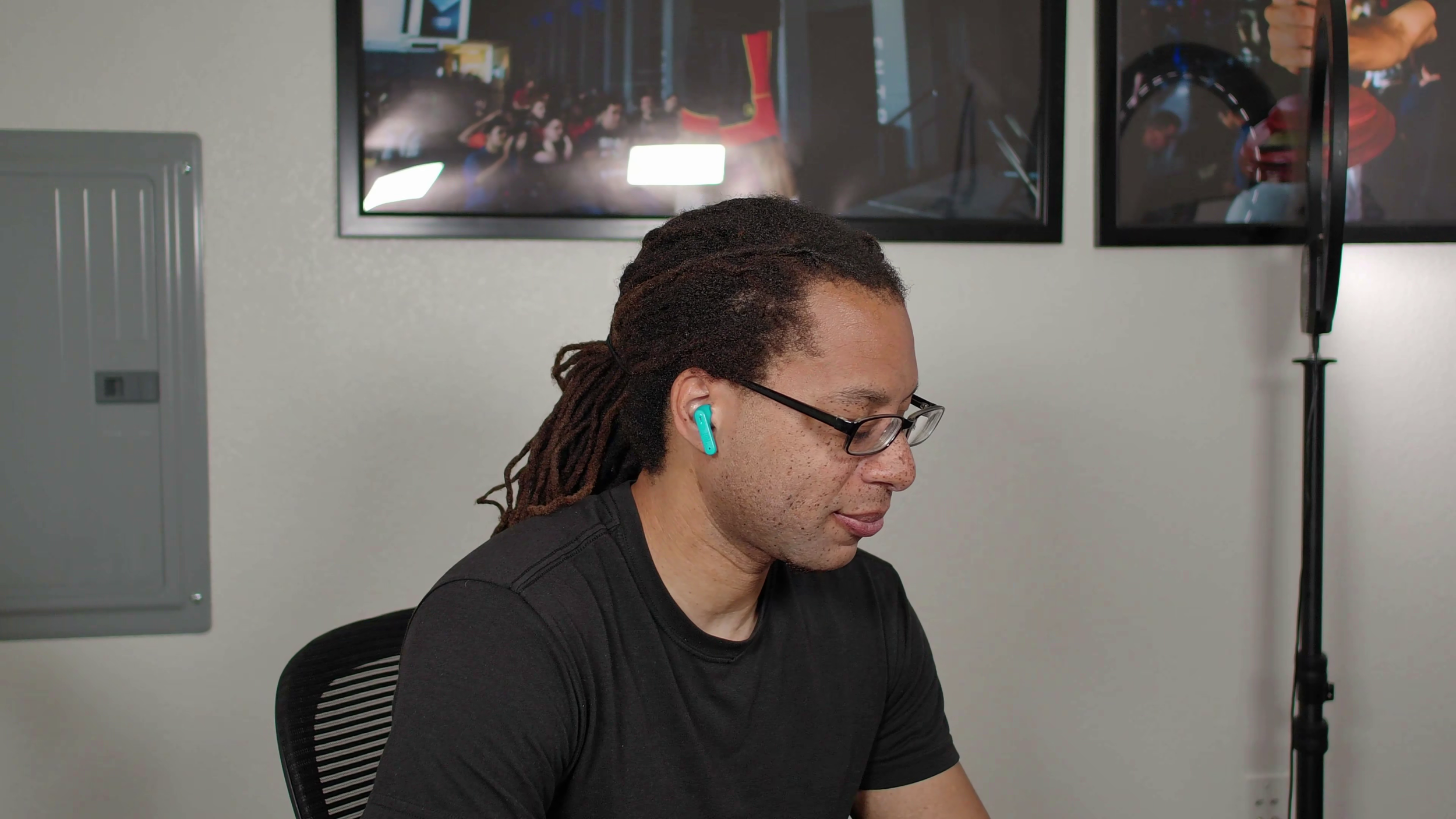
There are two major factors that will determine how both of these sound. I'll be combining this section with comfort, and ANC because they're completely related.
The first factor is ear tip selection:
Open Ear Tips vs Closed Ear Tips
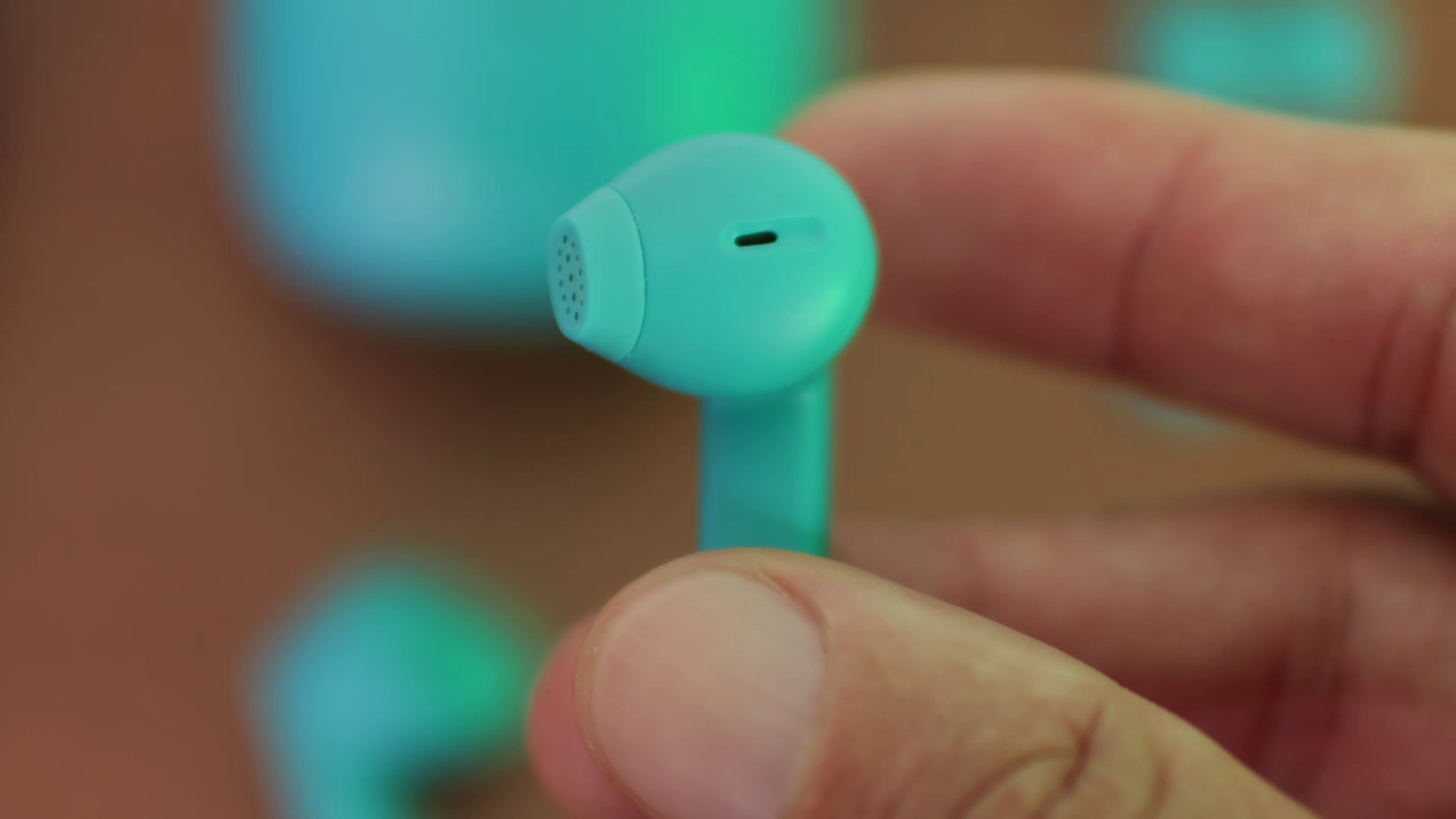
Open tips.
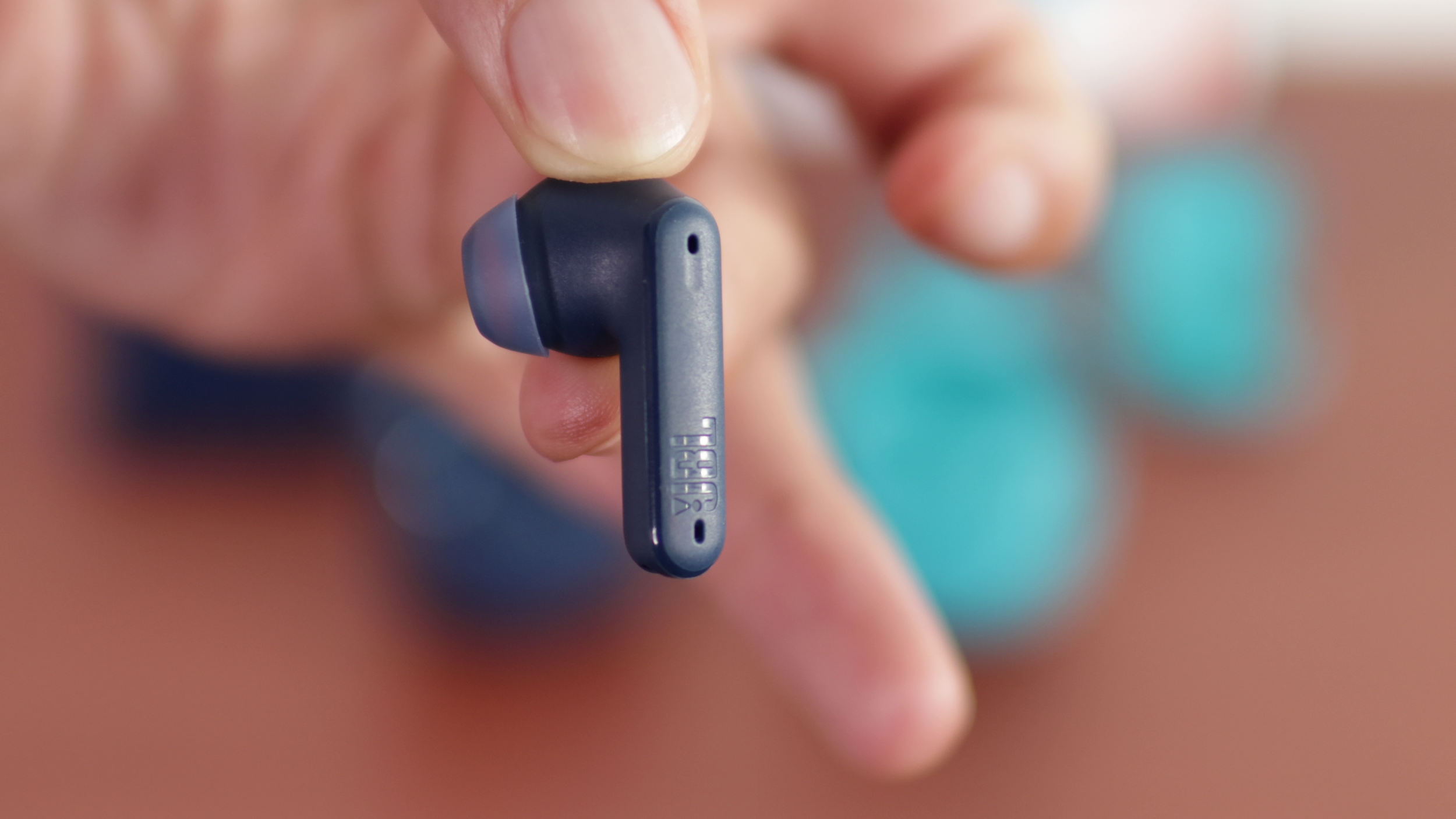
Sealing tips.
Open Tips
One option you have on both is to use the open ear tips. These barely touch your ears, and they don't seal or suction in. I know some people hate that claustrophobic feeling, so it's a nice option. This lets sound from the environment leak in.
The trade offs of using the open tips are:
ANC. The active noise cancellation will lose most of its effectiveness, because too much sound passes in and out freely. The transparency mode isn't super strong on either of the Flexes, but with the open tips, it doesn't need to be.
The bass, especially the sub-bass falls off a cliff. This affects the original Flex more.
Comfort. The open tips trade the suction feel for the hard plastic body of the earbuds themselves. And of course, that doesn't mold to your ears at all. Frankly, I find them extremely uncomfortable. During workouts, they’re incredibly loose and I would not recommend them.
“Sealing” Tips
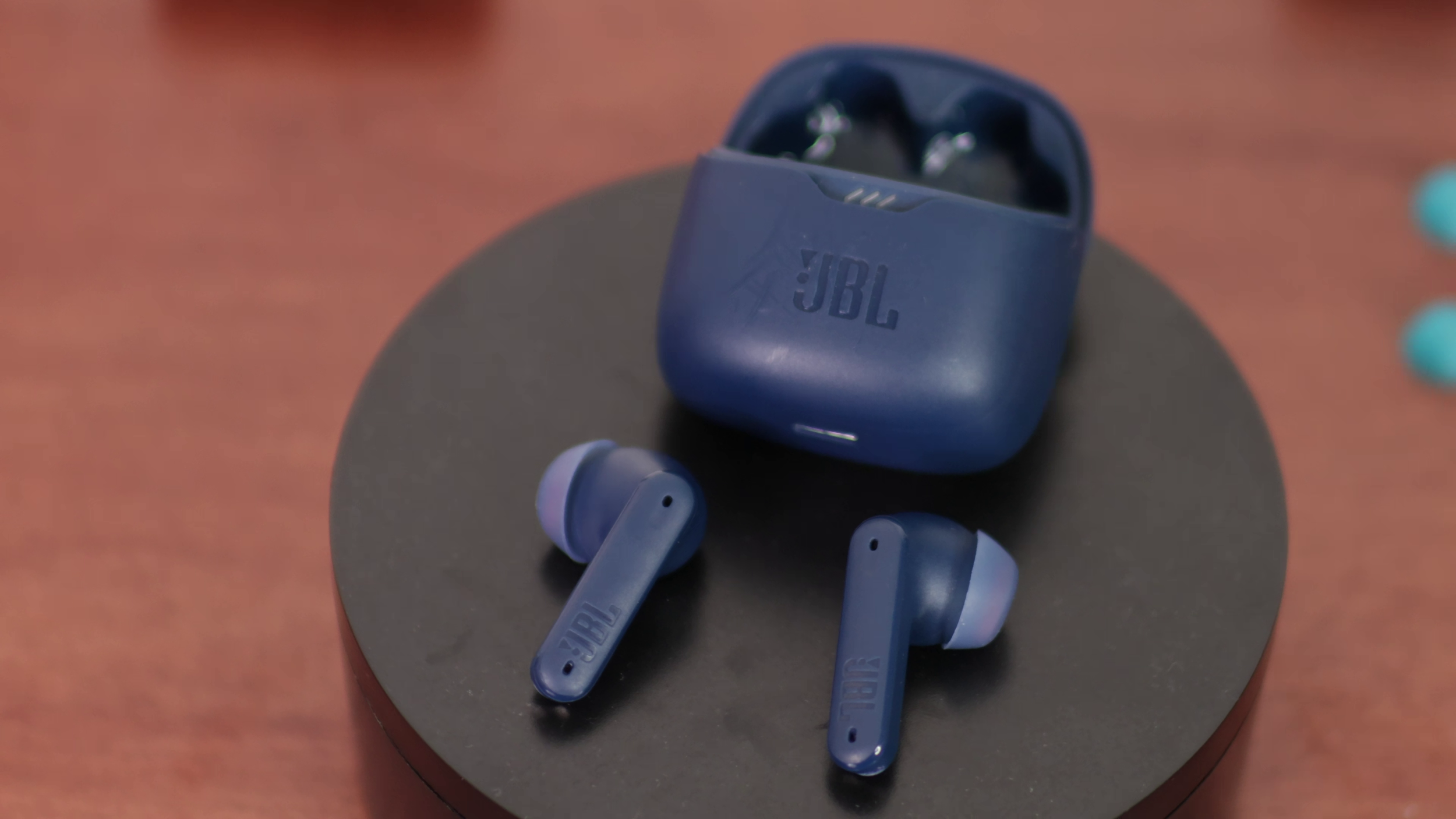
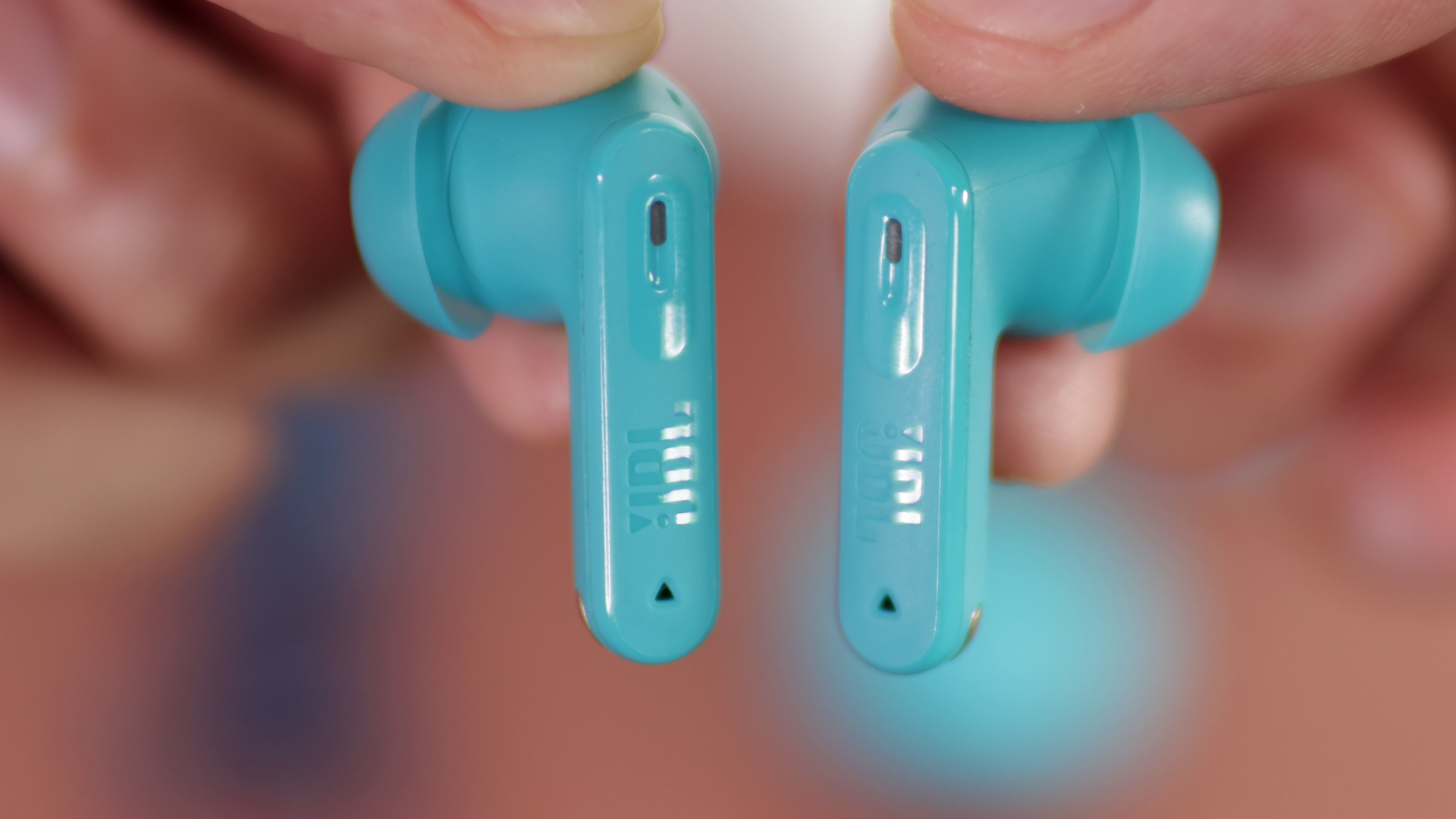
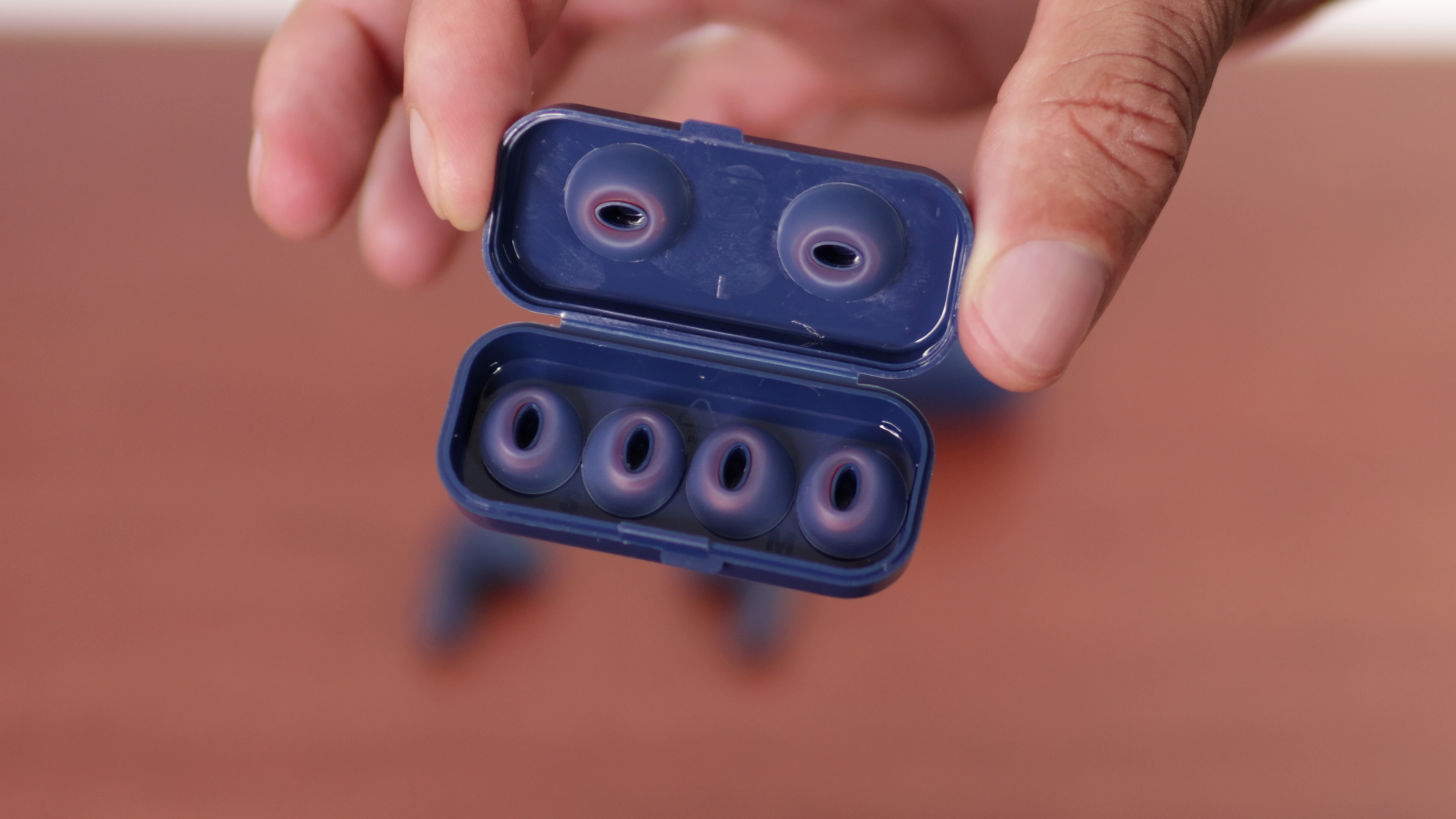
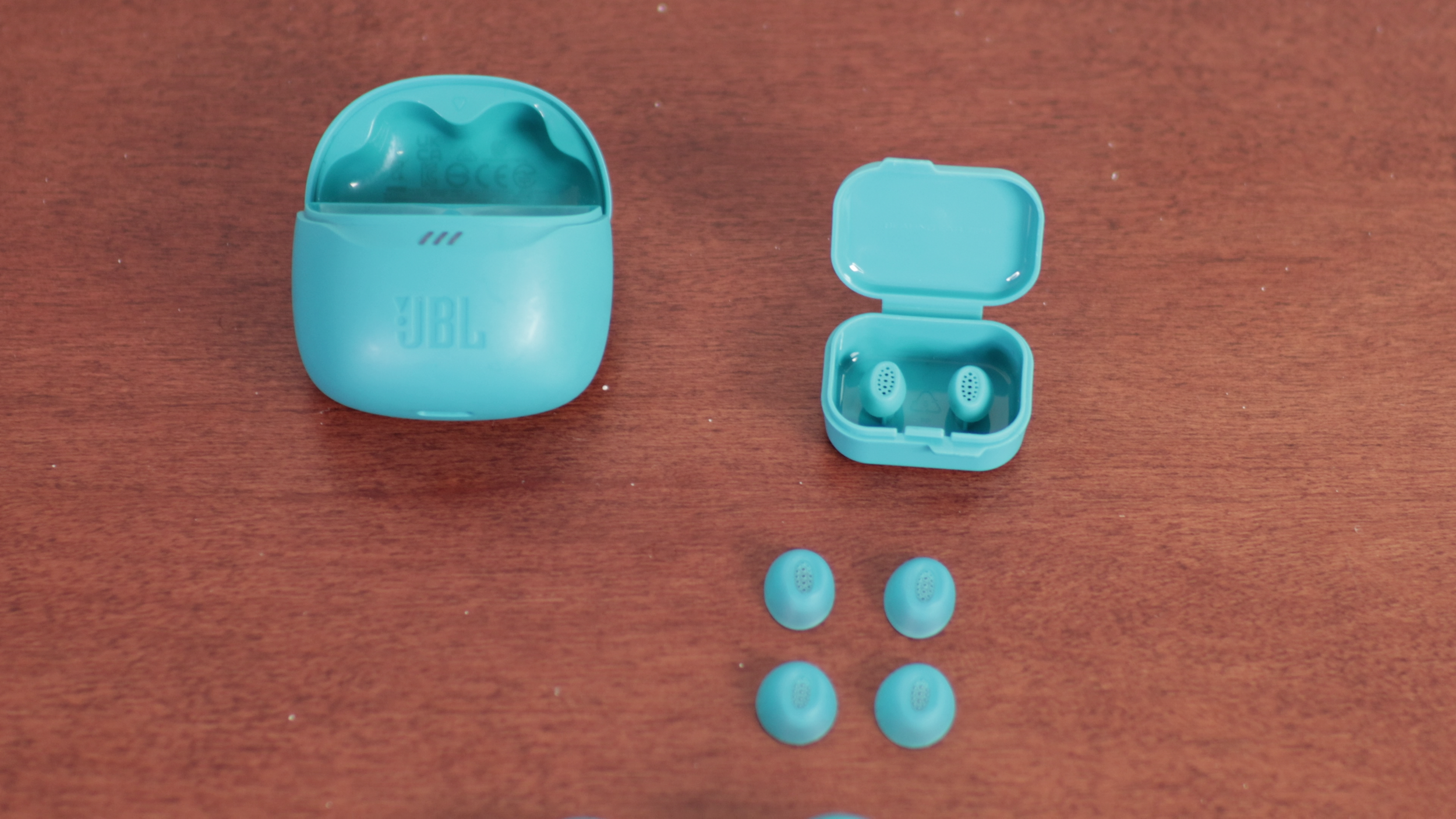
Alternatively you can use the sealing tips. Both earbuds have the same number of tips overall (4 pairs) and both the Flex and Flex 2 tips feel identical.
The “sealing” tips don't form a perfect seal, but the bass performance improves and the ANC gets much better. The original Flex’s ANC is still pretty meh, but it's actually quite powerful on the Flex 2. Even right in front of a construction site, the sound barely got through.
I found the right size sealing tips to be an improvement in comfort and a more secure fit, but still at best, a C in both departments.
Software Sound Profile
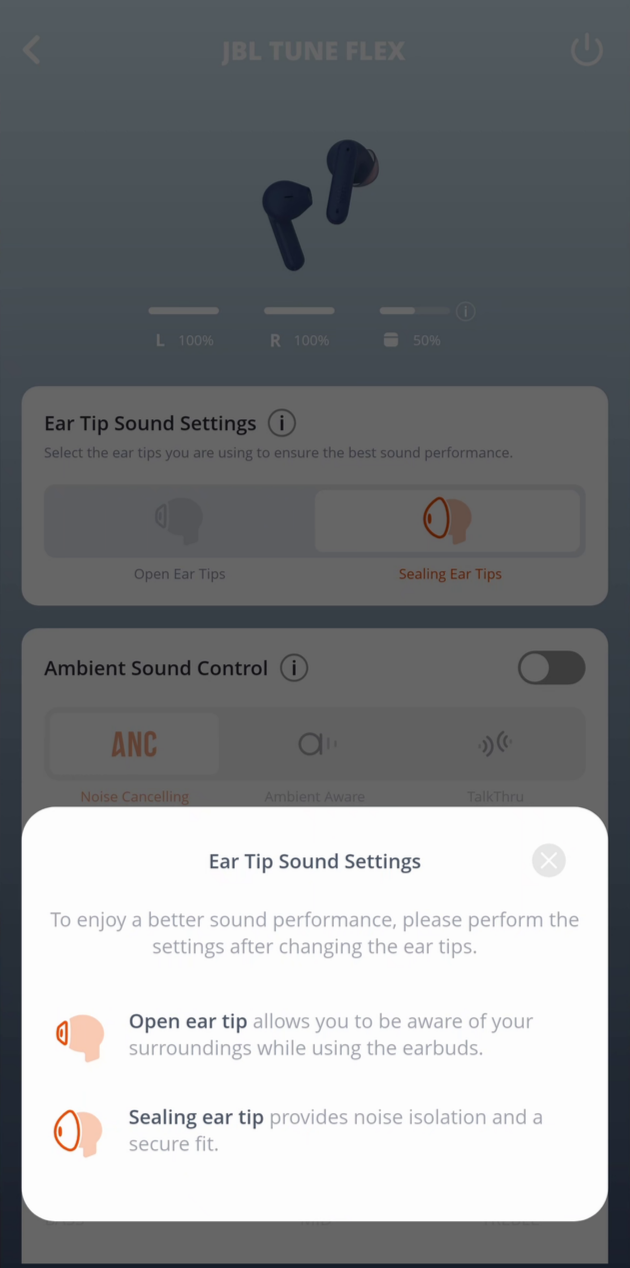
In the JBL Headphones software, you get the option to choose whether you want to use the sound profile for the open tips or the sealing tips. I’ve explained how the different combinations interact below.
Audio Quality
I measured these using my miniDSP EARS, and due to the very unique fit and multiple sound settings in the software, there's quite a bit of variance in these graphs.
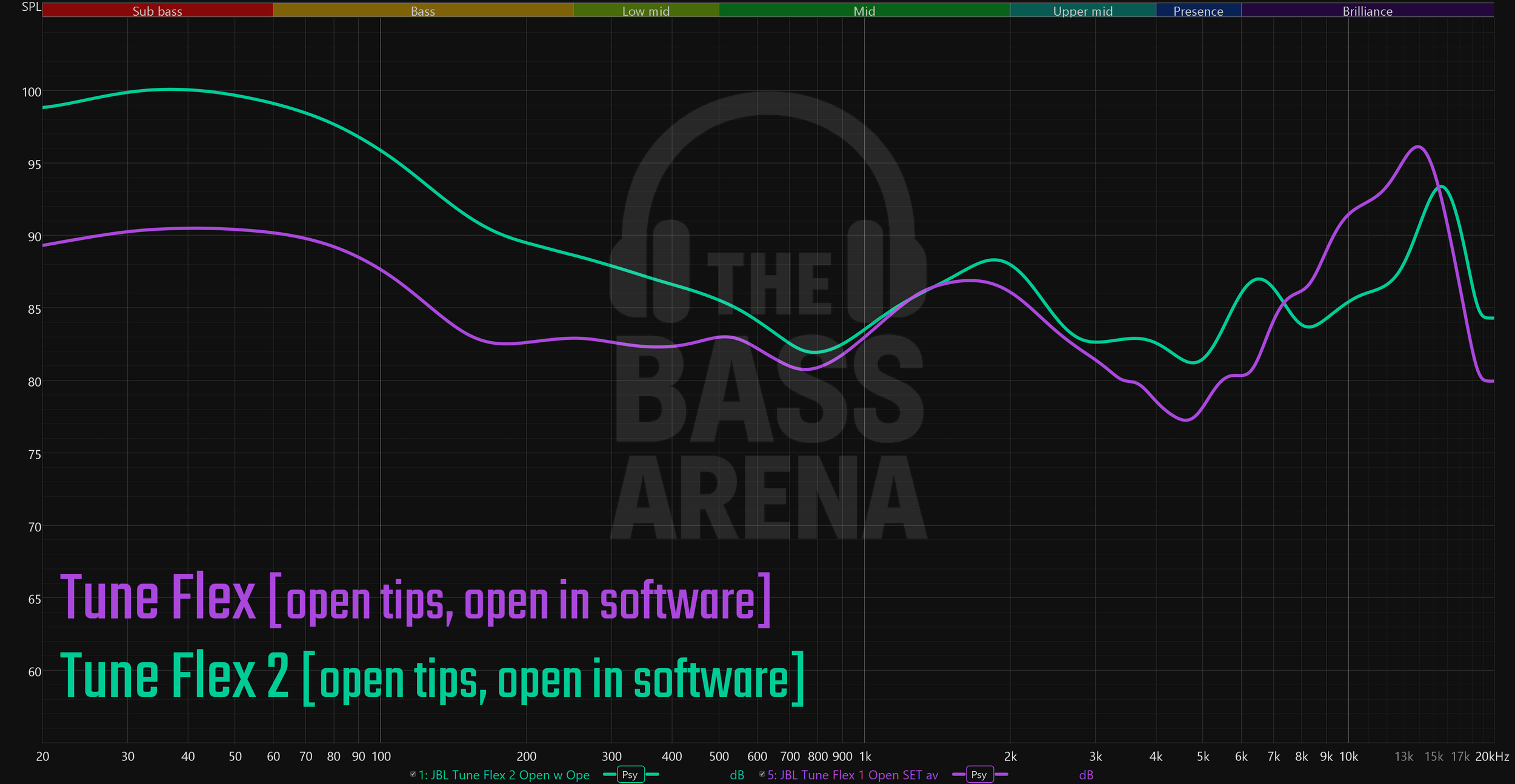
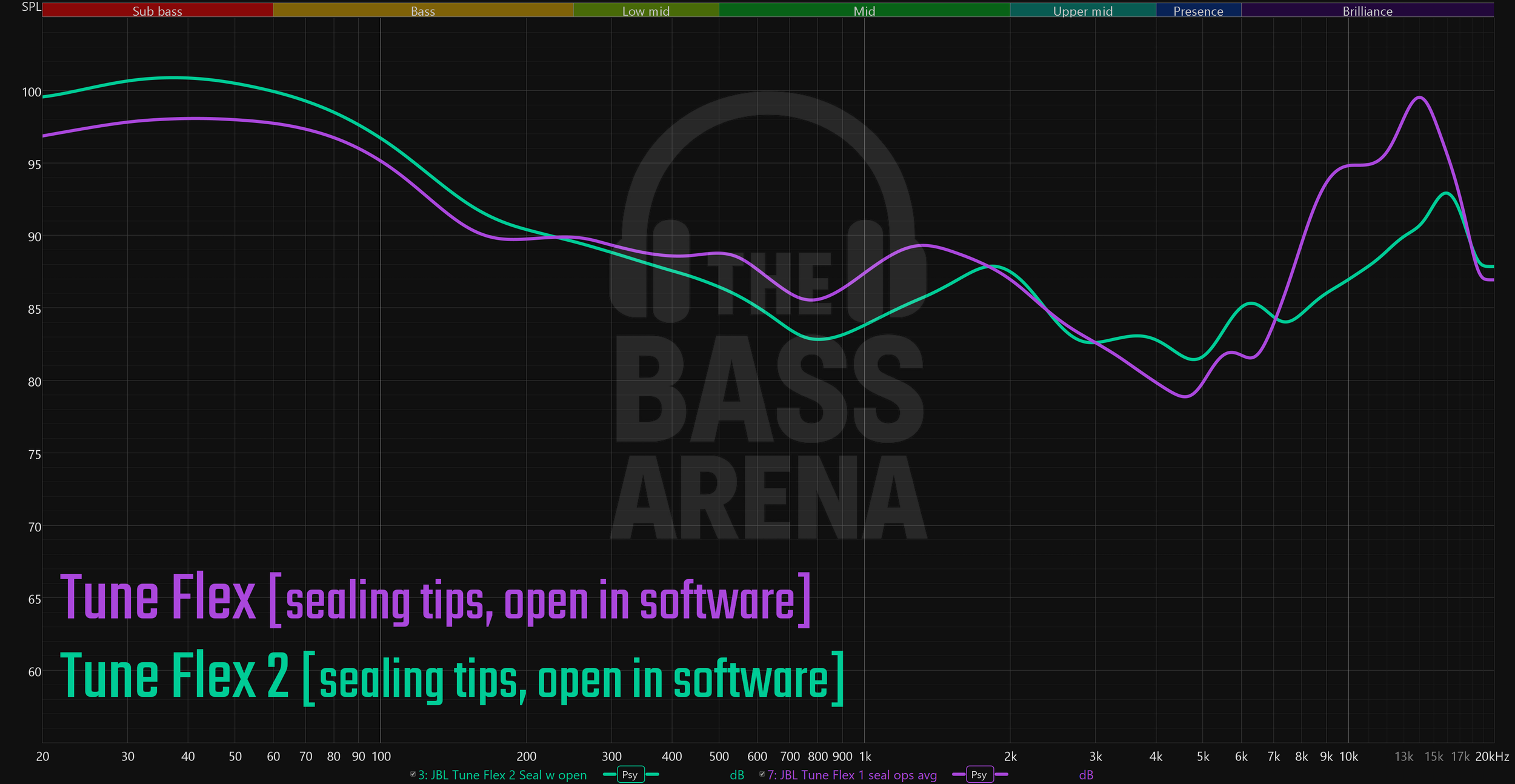
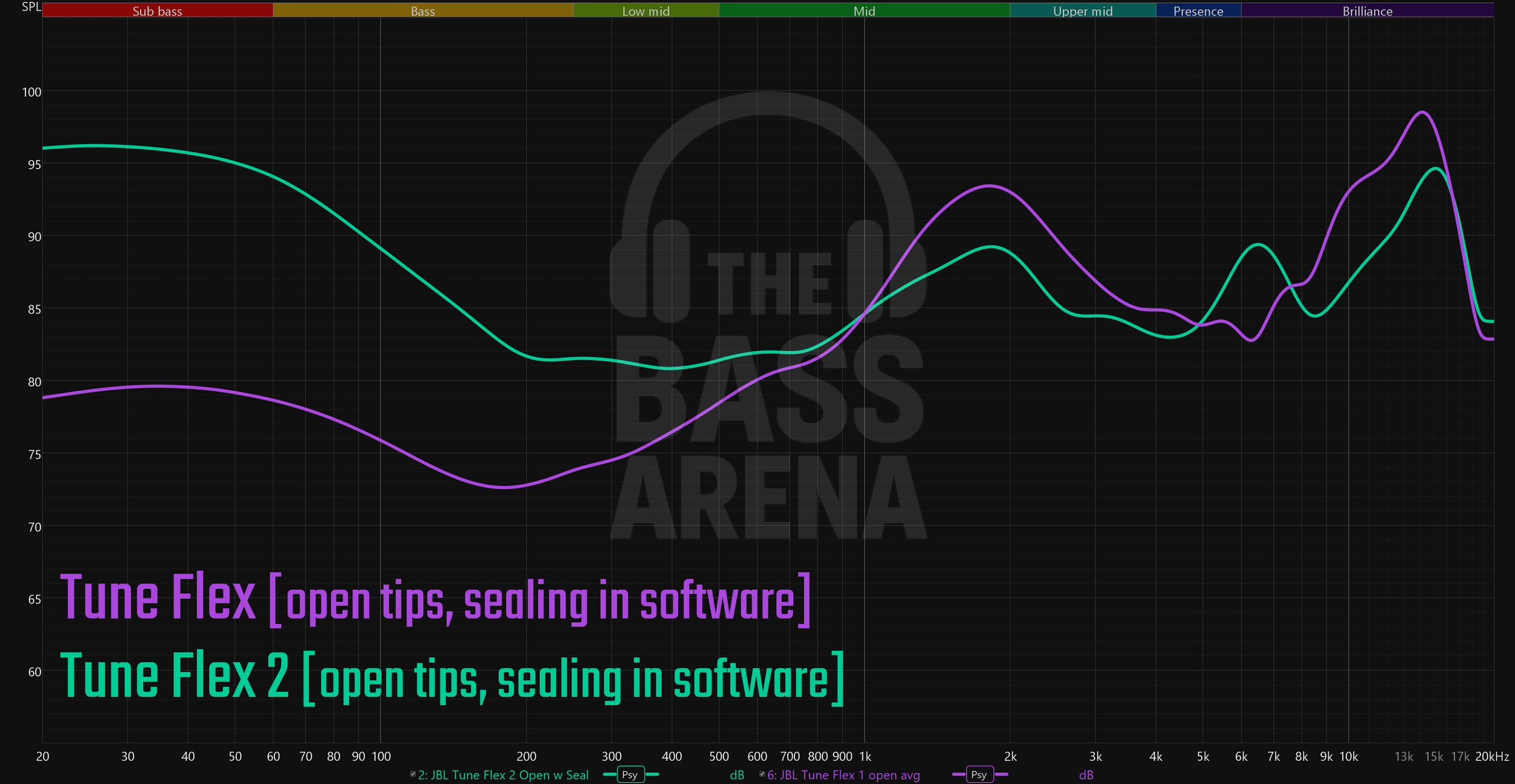
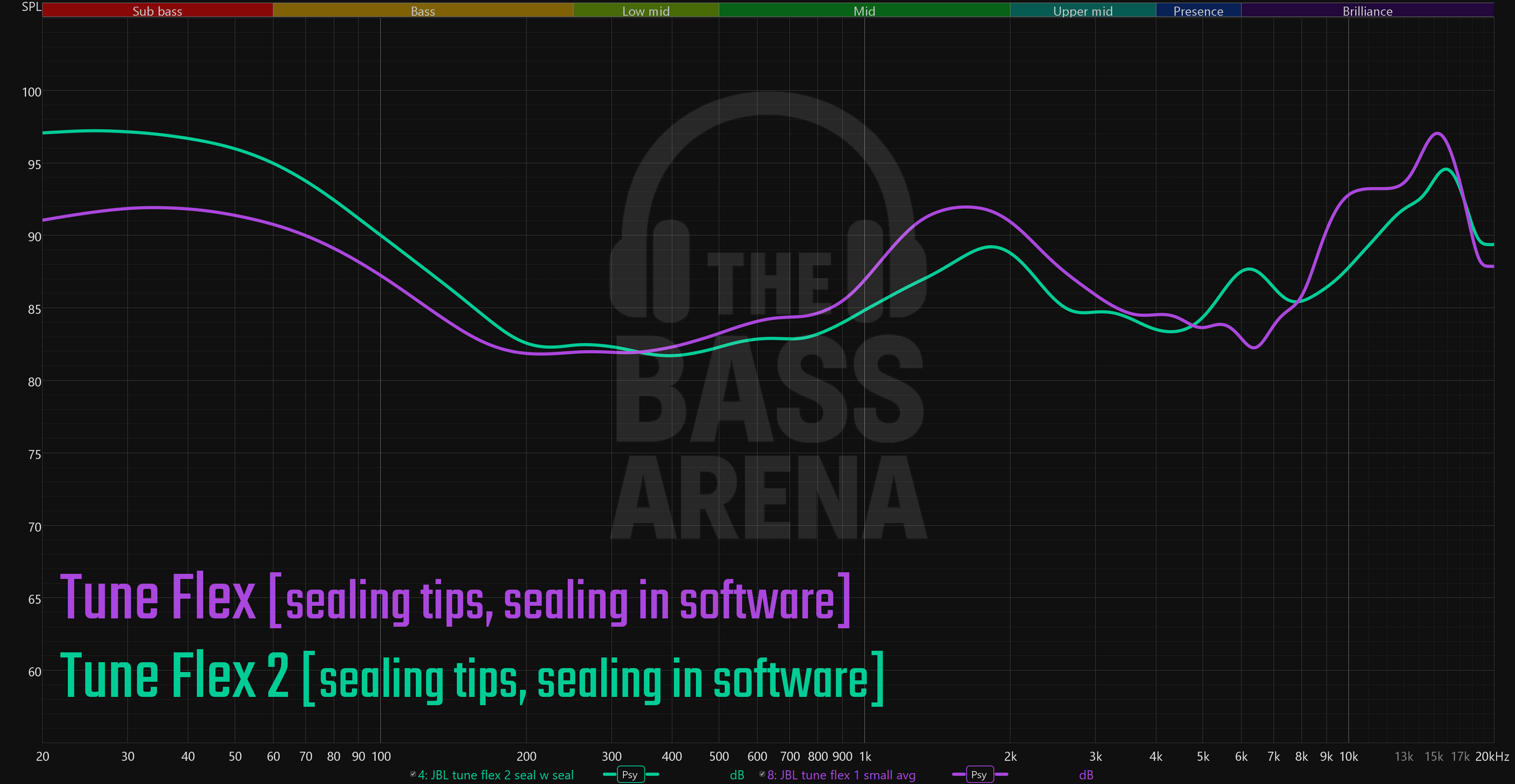
The overall sound quality of both earbuds is above average for the price. They’re not the clearest or most detailed, but also not jarring in the highs.
The Tune Flex 2 absolutely dominates in the bass and sub-bass which can be heard and felt with an even bigger difference than the graphs demonstrate. There’s serious thump with the sealing tips which surprised me a lot.
For these reasons, I prefer and recommend the Flex 2 for music over the original Flex.
Microphone Demonstration
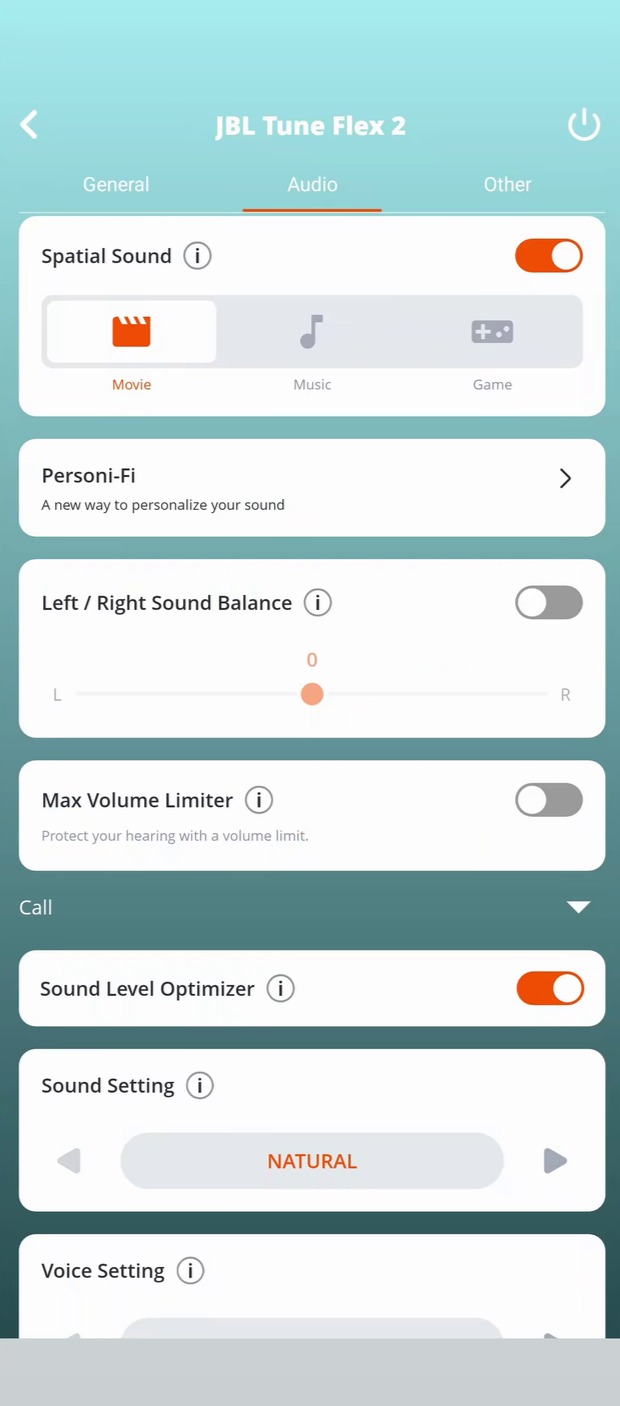
JBL Headphones App
Both earbuds use the same JBL Headphones App.
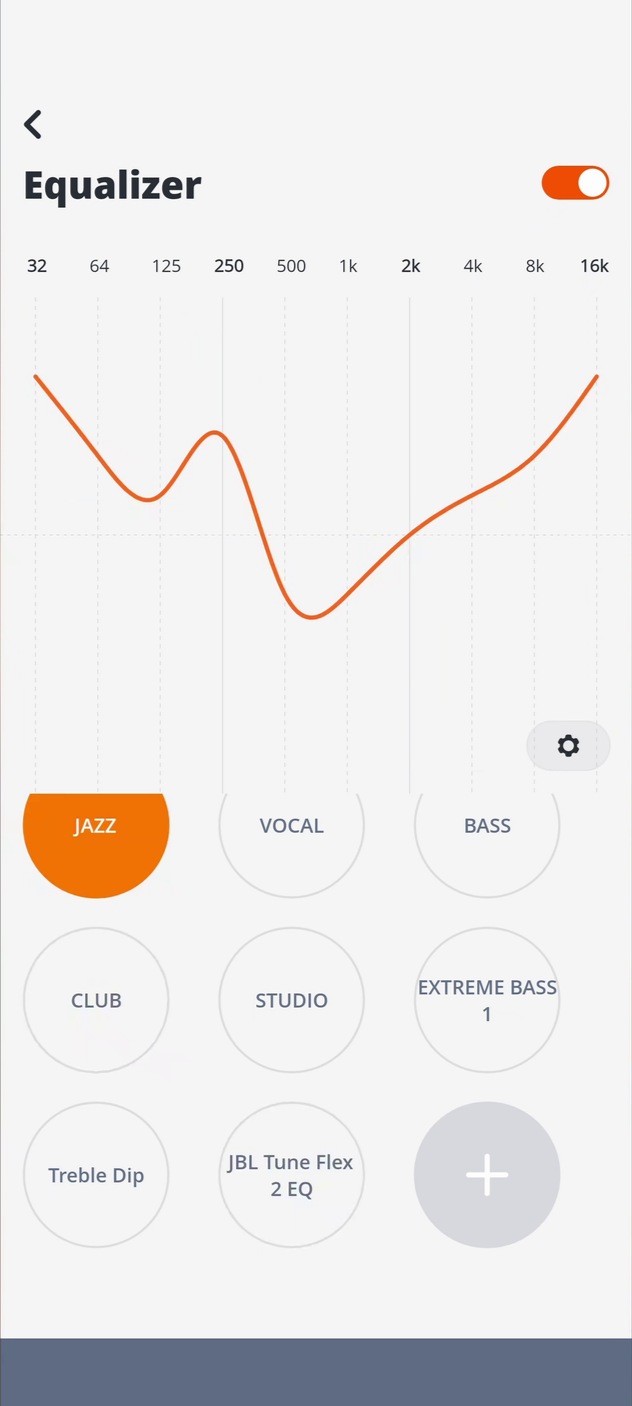
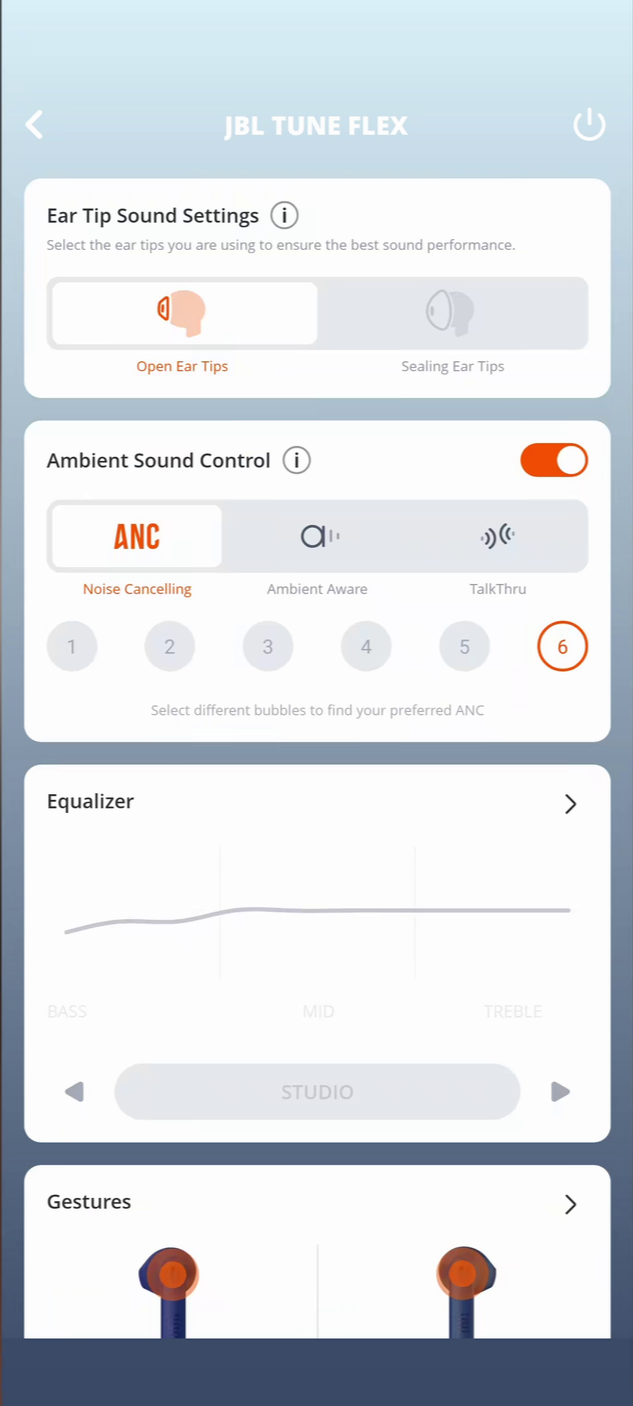
Most of the settings are pretty useful and the equalizer is absolutely excellent. There are tons of premade and custom slots available. You can adjust ANC and transparency mode here as well.
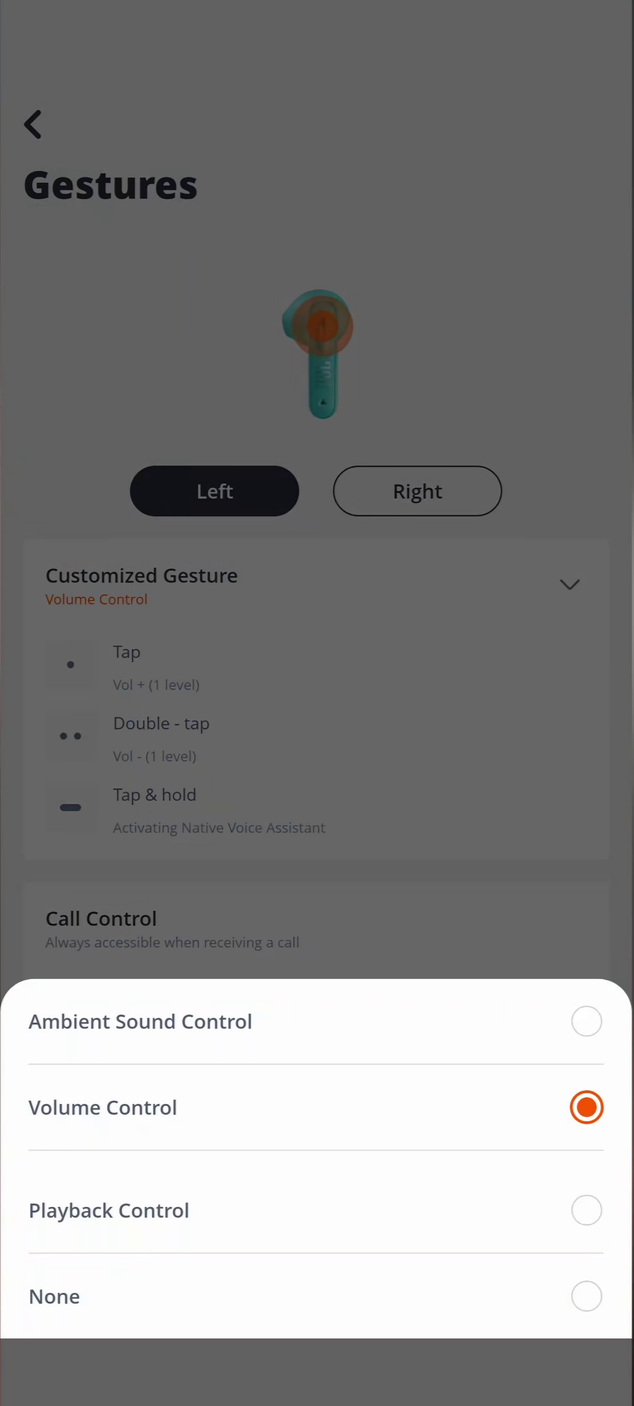
The main weakness with the app is there is very little controls customization. You can make a couple adjustments in bulk, such as cycling through controls presets or turning the touch controls off entirely.
However, you cannot individually change what one, two, or three presses do on one or both earbuds. That's super inconvenient as someone who likes 1 press to be nothing, so I don't get accidental taps. And I prefer 2 taps for pausing and playing. Just not gonna happen with these.
Verdict
If you have the opportunity to get the Tune Flex 2 over the Tune Flex, I'd take it as it's a clean upgrade. Outside of losing the larger ear tip case, it does everything better.
If you're still looking at the Flex 1 due to its cheaper price in most places, you'll still be getting all the core features and it's still a nice, versatile pair of earbuds.